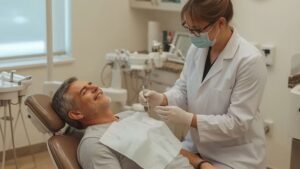
Regular dental checkups prevent serious oral health problems, reduce the cost of future treatments, and support overall wellness.
Finding a trusted dentist in Glen Allen who offers comprehensive care, flexible scheduling, and a welcoming environment is key to building lasting oral health habits.
Your mouth is a window into your overall health. Research consistently links poor oral hygiene to serious systemic conditions, including heart disease, diabetes, and respiratory infections. Yet dental care remains one of the most overlooked aspects of preventive wellness.
Whether you’ve recently moved to the area or are simply overdue for a checkup, finding the right dentist in Glen Allen can make all the difference.
This guide walks you through everything you need to know, from recognizing warning signs to choosing the right dental practice for your family.
How to Choose the Right Dentist in Glen Allen
When choosing a dentist in Glen Allen, prioritize verified credentials, comprehensive services, patient reviews, and convenient scheduling.
The right practice becomes a long-term partner in your oral health.
Selecting a dentist is a meaningful decision, ideally, you’re building a relationship that spans years.
Here are the factors that matter most:
- Credentials and experience. Confirm that any dentist you’re considering is licensed and holds relevant professional memberships. Additional certifications in areas like cosmetic dentistry, orthodontics, or pediatric dentistry signal a commitment to ongoing education.
- Patient reviews. Online reviews on Google provide a realistic picture of the patient experience, wait times, chairside manner, billing transparency, and quality of care. Look for consistent feedback rather than outliers.
- Services offered. A comprehensive dental practice handles everything from preventive cleanings to crowns, teeth whitening, and orthodontic consultations under one roof. That continuity simplifies care and builds a stronger relationship with your provider.
- Location and availability. Choosing a local Glen Allen dental practice means shorter commutes and easier scheduling. Look for a practice that offers early morning, evening, or Saturday appointments.
- Insurance and payment options. Before booking, verify that the practice accepts your dental insurance plan. Many offices also offer in-house membership plans or flexible payment arrangements for uninsured patients.
Local dental care matters beyond convenience. When your dentist knows your history, they can track changes over time, personalize their approach, and catch subtle shifts that might otherwise go unnoticed.
Why Are Regular Dental Checkups So Important for Your Health?
Most dental professionals recommend visiting a dentist every six months. Routine visits allow early detection of decay, gum disease, and other conditions, before they become costly or painful to treat.
Routine dental visits do far more than polish your teeth. They give your dentist an opportunity to catch problems early, before a small cavity becomes a root canal, or mild gum inflammation progresses to periodontitis. Early detection is one of the most powerful tools in preventive dentistry.
The connection between oral health and systemic health is well established. People with diabetes are also more susceptible to gum disease, creating a two-way relationship that makes oral hygiene especially critical for those managing chronic conditions.
Beyond disease prevention, regular dental exams keep your smile looking its best, with real implications for confidence, social interactions, and quality of life.
What Are the Most Common Dental Problems to Watch Out For?
The most common dental problems include tooth decay, gum disease, tooth sensitivity, and misalignment. Recognizing these early helps you seek timely care and avoid more complex treatment.
Understanding the most frequent dental issues can help you recognize when it’s time to book an appointment.
- Tooth decay is the most widespread dental problem globally. It develops when plaque, a sticky film of bacteria, breaks down tooth enamel over time. Left untreated, cavities deepen and can damage the tooth’s inner structure.
- Gum disease (periodontal disease) affects nearly half of adults over 30. It begins as gingivitis, characterized by red, swollen, or bleeding gums, and can advance to bone and tooth loss if ignored.
- Tooth sensitivity often signals enamel erosion or exposed roots, making hot, cold, and sweet foods uncomfortable.
- Misalignment and bite issues can strain the jaw, contribute to headaches, and accelerate uneven tooth wear.
When Should You See a Dentist Immediately?
Certain oral health symptoms require prompt dental attention, rather than waiting for a scheduled appointment. Delaying treatment for urgent symptoms often leads to more complex, and more expensive care.
Seek dental care right away if you experience any of the following:
- Persistent toothache or throbbing pain
- Swollen or bleeding gums that don’t improve
- A tooth that feels loose or has shifted position
- Sores or patches in your mouth that haven’t healed within two weeks
- Jaw pain or difficulty chewing
Catching these issues early almost always means simpler, less expensive treatment.
What Happens During a Typical Dental Appointment?
A standard dental visit includes two main components: a comprehensive examination and a professional cleaning. For most patients, a routine appointment takes between 45 and 90 minutes.
For many people, uncertainty about what to expect fuels dental anxiety. Knowing what’s involved can ease that tension considerably.
During the exam, your dentist will assess your teeth, gums, jaw, and soft tissues for any signs of decay, disease, or abnormality. X-rays may be taken periodically to reveal issues not visible to the naked eye, such as bone loss or decay developing between teeth.
The cleaning (or prophylaxis) involves removing plaque and tartar buildup, followed by polishing the teeth and flossing. Your dentist in Glen Allen will also offer personalized guidance on your home care routine.
How Do Dental Offices Help Patients with Dental Anxiety?
Dental anxiety is common, studies suggest up to 36% of people experience some degree of dental fear. Most modern dental practices offer comfort measures, sedation options, and patient-centered communication to help anxious patients feel at ease.
Many dental practices address anxiety through:
- Gentle, patient-centered communication
- Comfort amenities like noise-canceling headphones or sedation options
- Transparent explanations of each step before proceeding
- Flexible scheduling that reduces wait-related stress
If anxiety has been keeping you from the dentist’s chair, mention your concerns when booking your appointment. A good dental team will work with you.
Practical Dental Care Tips for Maintaining a Healthy Smile
Good oral health starts at home. Evidence-backed daily habits, including proper brushing, flossing, and dietary choices, significantly reduce the risk of decay and gum disease between professional visits.
- Brush correctly and often. Brushing for two minutes, twice a day, using a soft-bristled toothbrush and fluoride toothpaste is recommended. Electric toothbrushes have been shown to remove more plaque than manual brushing for many users.
- Floss daily. Flossing cleans areas a toothbrush simply can’t reach. If traditional floss isn’t comfortable, water flossers or interdental brushes are effective alternatives.
- Watch your diet. Sugary and acidic foods accelerate enamel erosion. Drinking water throughout the day, especially fluoridated tap water helps neutralize acids and wash away food particles.
- Use mouthwash strategically. An antibacterial or fluoride mouthwash adds a layer of protection, particularly for those prone to cavities or gum disease. Use it as a complement to brushing and flossing, not a replacement.
- Replace your toothbrush regularly. Swap it out every three to four months, or sooner if the bristles are visibly worn.
Small, consistent habits compound over time. Patients who maintain strong home care routines typically experience fewer cavities, healthier gums, and lower dental bills.
Start Prioritizing Your Oral Health in Glen Allen
Dental health is not a luxury, it’s a cornerstone of overall wellbeing.
Routine checkups, early intervention, and consistent home care work together to protect your teeth and your long-term health.
Finding the right dentist in Glen Allen means choosing a team that values your comfort, listens to your concerns, and delivers care you can trust.
If you’re looking for a trusted dental practice that combines clinical expertise with a patient-first approach, Village Family Dentistry is here to help.
At Village Family Dentistry, every treatment plan is tailored to your unique needs, whether you’re visiting for preventive care, restorative treatment, or a complete smile transformation.
With a commitment to clinical excellence, advanced technology, and compassionate care, our experienced team helps patients of all ages achieve healthier smiles with confidence.
Ready to take the next step? Contact Village Family Dentistry today to schedule your appointment and experience dental care that puts your health first.
Frequently Asked Questions About Dental Care in Glen Allen
How often should I visit a dentist in Glen Allen for a checkup?
Most dental professionals recommend visiting every six months for a routine exam and cleaning. Patients with a history of gum disease, frequent cavities, or other ongoing concerns may benefit from more frequent visits, typically every three to four months.
What is the difference between a general dentist and a periodontist?
A general dentist handles a broad range of oral health needs, including prevention, fillings, crowns, and cleanings. A periodontist specializes specifically in gum disease and the supporting structures of the teeth. Your general dentist may refer you to a periodontist if gum disease requires advanced treatment.
How can I manage dental anxiety before an appointment?
Communicating your anxiety to the dental team ahead of time is the most effective first step. Many practices offer comfort options like nitrous oxide sedation, detailed procedural explanations, or the ability to signal a pause during treatment. Arriving early and bringing headphones can also help reduce anxiety.
Does dental insurance cover preventive care like cleanings and X-rays?
Most dental insurance plans cover 100% of preventive services, including routine exams, cleanings, and basic X-rays. Coverage for restorative treatments like fillings or crowns typically involves a co-pay. Always verify your specific benefits before your appointment.
What are the warning signs of gum disease I should know about?
Key warning signs include red, swollen, or bleeding gums, persistent bad breath, gum recession, and teeth that feel loose or have shifted. If you notice any of these symptoms, schedule a dental visit promptly, early-stage gum disease (gingivitis) is reversible with professional treatment and improved home care.
What should I look for in a family dental practice in Glen Allen?
A good family dental practice should offer services for patients of all ages, including pediatric dental care, orthodontic consultations, and preventive treatments. Flexible scheduling, transparent billing, and positive patient reviews are also strong indicators of a trustworthy provider.
Is fluoride toothpaste necessary for adults?
Yes. Fluoride toothpaste is recommended for most adults and children alike. Fluoride strengthens tooth enamel and significantly reduces the risk of cavities, making it a non-negotiable component of any effective oral hygiene routine.