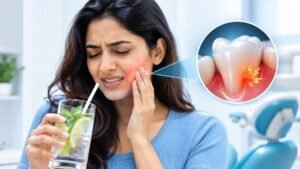
Do you feel a sudden sharp pain in your teeth when drinking cold water, enjoying hot coffee, or eating something sweet, even though your dentist says you have no cavities? You are not imagining it.
Tooth sensitivity can occur even when your teeth are free from decay. In many cases, the discomfort happens because the protective enamel has become thinner or the underlying dentin is exposed, allowing temperature changes and certain foods to irritate the nerves inside your teeth.
Gum recession, aggressive brushing, teeth grinding, and acidic foods can also contribute to the problem.
If sensitivity keeps returning, it is worth visiting a dentist in Henrico to identify the actual cause rather than simply avoiding the foods and drinks you enjoy.
Why Do Teeth Become Sensitive Without Cavities?
Teeth can become sensitive when the protective enamel wears down, or the dentin underneath becomes exposed. Dentin contains tiny microscopic channels called dentinal tubules that connect toward the inner part of the tooth.
When hot, cold, sweet, or acidic substances reach these exposed areas, they can trigger the nerves inside the tooth and cause a sudden sensation of discomfort.
This explains why you may experience sensitivity even when there is no visible tooth decay. The problem may involve the tooth’s protective layers, gums, or biting surfaces rather than a cavity.
What Are the Common Causes of Tooth Sensitivity Without Cavities?
Several everyday habits and dental conditions can make your teeth sensitive without causing cavities. Understanding the cause is important because each situation may require a different approach.
1. Enamel Erosion
Enamel is the hard outer layer that protects your teeth from everyday wear and temperature changes. Although it is the strongest substance in the human body, it can gradually wear away through repeated exposure to acids.
Common contributors include:
- Frequent consumption of citrus fruits and acidic beverages.
- Drinking soda and sports drinks regularly.
- Frequent exposure to stomach acid due to acid reflux.
- Repeated vomiting associated with certain medical conditions.
When enamel becomes thinner, the underlying dentin may become exposed. You may then notice sensitivity when eating or drinking something hot, cold, or acidic.
2. Gum Recession and Exposed Tooth Roots
Your gums help protect the roots of your teeth. When gum tissue pulls away from the teeth, the root surfaces become exposed.
Unlike the crown of your tooth, the root does not have a protective enamel covering. It is covered by cementum, a thinner protective layer that can wear away and expose sensitive dentin.
Gum recession may happen because of:
- Brushing too aggressively.
- Gum disease.
- Naturally thin gum tissue.
- Poorly controlled plaque buildup.
- Certain tooth-positioning factors.
If you notice sensitivity near your gumline, gum recession could be one possible explanation.
3. Brushing Too Hard
Brushing harder does not necessarily make your teeth cleaner. In fact, applying excessive pressure or using a hard-bristled toothbrush can contribute to enamel wear and gum recession over time.
If your teeth feel sensitive near the gumline, review your brushing technique.
A few simple changes can help:
- Choose a soft-bristled toothbrush.
- Use gentle, circular brushing movements.
- Avoid scrubbing your teeth forcefully.
- Brush twice daily with fluoride toothpaste.
A dentist can also show you a brushing technique that cleans effectively without putting unnecessary pressure on your teeth and gums.
4. Teeth Grinding and Clenching
Do you wake up with a sore jaw or notice that your teeth look flatter than before? Nighttime teeth grinding, also known as bruxism, may be contributing to your sensitivity.
Repeated grinding places excessive pressure on your teeth. Over time, it can wear down enamel, create small cracks, and make the teeth more sensitive to temperature changes.
Some additional signs include:
- Morning jaw soreness.
- Frequent headaches around the temples.
- Chipped or flattened teeth.
- Tooth discomfort when chewing.
- Tightness in the jaw muscles.
If you suspect grinding, a dentist can examine your teeth for wear and discuss whether a custom night guard may help protect them.
5. Acid Reflux and Stomach Acid Exposure
Tooth sensitivity can sometimes be connected to digestive conditions such as gastroesophageal reflux disease (GERD).
When stomach acid repeatedly reaches your mouth, it can gradually weaken tooth enamel. This process is called acid erosion.
You may notice sensitivity across several teeth rather than in just one specific area. Some people also experience a sour taste, heartburn, or frequent acid reflux.
If you have recurring reflux symptoms, discuss them with your healthcare provider and let your dentist know about them during your examination.
6. Recent Teeth Whitening
Professional and at-home whitening treatments can sometimes cause temporary tooth sensitivity.
Whitening products use peroxide-based ingredients to remove stains. During treatment, these ingredients can temporarily affect the tooth’s sensitivity response.
You may notice discomfort when drinking cold water or breathing in cool air.
In most cases, whitening-related sensitivity improves after treatment ends. However, if discomfort is severe or continues, speak with your dentist before using additional whitening products.
7. Cracked Teeth or Damaged Dental Restorations
Not every dental problem is visible when you look in the mirror. A small crack, damaged filling, or worn dental restoration may cause sensitivity even when there is no cavity.
You may experience:
- Pain when biting down.
- Discomfort when releasing your bite.
- Sensitivity to hot or cold foods.
- Intermittent pain that comes and goes.
Cracked teeth can be difficult to identify without a dental examination. If sensitivity is concentrated in one tooth, particularly when chewing, have it evaluated.
How Can You Tell What Is Causing Your Tooth Sensitivity?
The type of discomfort you experience can provide useful clues, although symptoms alone cannot confirm the cause.
| What you notice | Possible explanation |
| Sensitivity when drinking cold water | Exposed dentin, enamel erosion, or gum recession |
| Pain when eating sweets | Exposed dentin or possible tooth decay |
| Sensitivity near the gumline | Gum recession or enamel wear |
| Pain when biting or chewing | Cracked tooth or damaged restoration |
| Sensitivity across several teeth | Enamel erosion, whitening-related sensitivity, or other widespread causes |
| Morning jaw soreness with sensitive teeth | Possible nighttime grinding |
These are possible associations, not a diagnosis. A dentist needs to examine your teeth and gums to determine the actual reason for your symptoms.
When Should You Visit a Dentist in Henrico for Sensitive Teeth?
Occasional mild sensitivity may improve with simple changes to your oral care routine.
However, you should schedule a dental appointment if the discomfort keeps returning, becomes more intense, or starts interfering with eating and drinking.
Pay particular attention if you experience:
- Persistent sensitivity: Discomfort continues for several days or repeatedly returns.
- Pain in one specific tooth: Localized sensitivity may indicate a crack, damaged filling, or developing dental problem.
- Lingering pain after cold or hot foods: Pain that continues after the temperature trigger is removed needs evaluation.
- Pain while chewing: Discomfort when biting may indicate a structural problem with the tooth.
- Swollen or bleeding gums: These symptoms may point to gum inflammation or periodontal disease.
- Spontaneous tooth pain: Pain that occurs without eating or drinking should not be ignored.
Seek urgent dental care for severe pain, facial swelling, or signs of infection. If swelling affects your breathing or swallowing, seek emergency medical attention.
How Does a Dentist Diagnose Tooth Sensitivity?
A dental examination helps identify whether your sensitivity comes from exposed dentin, gum recession, enamel erosion, tooth damage, or another underlying condition.
During your visit, your dentist may:
- Review your symptoms: Ask when the sensitivity started, what triggers it, and how long the discomfort lasts.
- Examine your teeth: Look for enamel wear, cracks, damaged fillings, and visible signs of decay.
- Check your gums: Evaluate gum recession, inflammation, and exposed root surfaces.
- Perform sensitivity tests: Apply controlled temperature or other stimuli to identify the affected tooth.
- Recommend dental X-rays when needed: Images can help evaluate areas that are not visible during a routine examination.
The goal is to identify the source of the sensitivity before recommending treatment.
What Treatments Can Help Reduce Tooth Sensitivity?
The right treatment depends on the reason your teeth are sensitive. Once the cause is identified, your dentist can recommend an approach that protects your teeth and helps reduce discomfort.
1. Desensitizing Toothpaste
Desensitizing toothpaste is often recommended for mild to moderate sensitivity. It contains ingredients such as potassium nitrate or stannous fluoride that help reduce sensitivity through different mechanisms.
Regular use may be needed before you notice improvement. Follow your dentist’s instructions and choose a product with the American Dental Association Seal of Acceptance when available.
2. Fluoride Treatments
Professional fluoride treatments help strengthen enamel and support the remineralization of weakened tooth surfaces.
Your dentist may recommend fluoride varnish or another fluoride product depending on your sensitivity and cavity risk.
3. Dental Bonding
If gum recession or enamel loss has exposed sensitive dentin, dental bonding may help cover the affected area.
A tooth-colored composite material is applied to the exposed surface to provide additional protection and reduce sensitivity.
4. Gum Treatment
If gum disease is contributing to gum recession or inflammation, your dentist may recommend professional periodontal treatment.
Treating gum disease helps control infection and inflammation, although lost gum tissue does not always grow back naturally.
5. Night Guards for Teeth Grinding
If grinding is causing enamel wear or tooth discomfort, a custom-fitted night guard may help protect your teeth from excessive contact while sleeping.
Your dentist can evaluate your bite and determine whether this option is suitable.
6. Restorative Treatment for Cracked or Damaged Teeth
If sensitivity is caused by a cracked tooth or damaged filling, treatment may involve a dental filling, bonding, or crown, depending on the extent of the damage.
More extensive problems may require additional treatment to protect the tooth and preserve its function.
How Can You Prevent Tooth Sensitivity at Home?
You cannot prevent every cause of tooth sensitivity, but a few daily habits can help protect your enamel and gums.
Here are some practical steps:
- Use a soft-bristled toothbrush: Brush gently instead of scrubbing your teeth.
- Choose fluoride toothpaste: Fluoride helps strengthen and protect enamel.
- Limit acidic foods and drinks: Reduce frequent consumption of soda, citrus juices, and other acidic beverages.
- Rinse after acidic foods: Swish with water to help clear acids from your mouth.
- Wait before brushing: After consuming acidic foods or drinks, wait approximately 30–60 minutes before brushing.
- Maintain daily flossing: Clean between your teeth to reduce plaque buildup and support gum health.
- Avoid excessive whitening: Use whitening products according to professional recommendations.
- Address teeth grinding: Speak with your dentist if you notice signs of clenching or grinding.
Consistency matters. Protecting your enamel and maintaining healthy gums can reduce the likelihood of developing sensitivity over time.
Frequently Asked Questions About Tooth Sensitivity
Can sensitive teeth mean I have no cavities?
Yes. Sensitive teeth can result from enamel erosion, gum recession, exposed dentin, teeth grinding, or cracked teeth. Cavities are only one possible cause of tooth sensitivity.
Why do my teeth hurt when I drink cold water but not when I eat?
Cold water can stimulate exposed dentin and trigger a temporary pain response. If the sensitivity is frequent or severe, a dental examination can help identify the cause.
Can tooth sensitivity go away on its own?
Mild temporary sensitivity, such as discomfort following whitening, may improve without additional treatment. However, sensitivity caused by gum recession, enamel loss, or cracked teeth may require professional care.
Does sensitive toothpaste actually work?
Yes. Desensitizing toothpaste can help reduce discomfort by blocking dentinal tubules or reducing the response of nerves inside the teeth, depending on its active ingredients. Consistent use is generally important.
Can gum recession make my teeth sensitive?
Yes. When gums recede, the roots of your teeth can become exposed. Since roots do not have the same protective enamel covering as tooth crowns, exposed areas may become sensitive to temperature and certain foods.
Should I stop drinking cold beverages if my teeth are sensitive?
You do not necessarily need to eliminate cold beverages. However, if they trigger discomfort, avoid extremely cold drinks temporarily and have persistent sensitivity evaluated by your dentist.
Get Relief From Tooth Sensitivity With a Dentist in Henrico
Tooth sensitivity does not always mean you have cavities. Enamel erosion, gum recession, aggressive brushing, teeth grinding, and exposed tooth roots can all make everyday activities like drinking cold water or enjoying your favourite foods uncomfortable. The important thing is to understand what is causing the sensitivity instead of simply learning to live with it.
If your discomfort keeps returning, a dental examination can help identify the problem and determine the right treatment.
At Village Family Dentistry, we believe comfortable, healthy smiles begin with understanding your dental needs. We provide comprehensive dental care in the Glen Allen area, including preventive exams, professional cleanings, digital X-rays, fluoride treatments, gum care, restorative dentistry, and cosmetic treatments.
Our team takes the time to evaluate concerns such as tooth sensitivity and explain treatment options that support your long-term oral health.
We also offer our in-house Village Family In-Office Wellness Plan and Perio Plan to help eligible patients access preventive services and discounts on qualifying treatments according to plan terms.
Contact Village Family Dentistry and schedule an appointment with our dentist in Henrico to discuss your sensitive teeth.