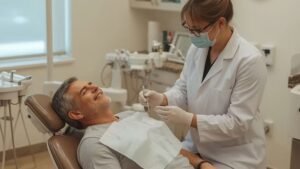
Your teeth and gums can reveal a lot about your overall oral health, even when nothing hurts. Regular dental visits help identify small changes, such as early tooth decay, gum inflammation, enamel wear, or shifting teeth, before they become bigger concerns.
If you have ever wondered why your dentist checks the same areas at every appointment, the answer is simple:tracking changes over time helps dentists understand what is happening in your mouth and what care you may need next.
For families looking for Glen Allen dentistry, understanding this process can make routine checkups feel more meaningful.
Your dentist is not just checking for cavities; they are building a clearer picture of your oral health, monitoring potential risks, and helping you protect your smile at every stage of life.
Key takeaways:
- Regular dental exams help dentists compare your current oral health with previous findings.
- Digital X-rays, gum measurements, oral cancer screenings, and visual exams can reveal changes that are difficult to notice at home.
- Keeping up with preventive visits helps your dentist recommend personalized care before minor concerns progress.
What Does It Mean to Monitor Oral Health Over Time?
Monitoring oral health means comparing your teeth, gums, bite, and other oral structures across multiple dental visits.
Dentists use previous exam findings, dental records, X-rays when appropriate, and changes in your symptoms to understand whether your mouth is staying healthy or developing new concerns.
For example, a small area of enamel wear may not need immediate treatment, but your dentist may monitor it to see whether it is getting worse.
Similarly, recurring gum inflammation may indicate that your oral hygiene routine or periodontal care needs attention.
This ongoing approach helps your dentist make decisions based on your individual needs rather than treating every appointment as an isolated visit.
How Do Dentists Track Changes in Your Oral Health?
Dentists use several methods to evaluate your oral health and compare current findings with earlier records. Each method provides different information about your teeth, gums, and overall oral condition.
1. Visual Examinations of Your Teeth and Gums
During a dental exam, your dentist checks for cavities, damaged fillings, cracks, discoloration, gum inflammation, and other visible changes.
They may also examine your tongue, cheeks, and other soft tissues for unusual areas that need further evaluation.
Comparing these findings with previous visits can help identify patterns. For instance, repeated enamel wear may suggest teeth grinding, while persistent gum redness may indicate inflammation that needs attention.
2. Digital X-Rays When Needed
Digital dental X-rays allow dentists to examine areas that cannot be fully assessed during a visual examination. Depending on your dental history and risk factors, X-rays may help reveal cavities between teeth, changes around tooth roots, bone loss, or problems involving existing dental work.
Your dentist determines when X-rays are appropriate based on your age, symptoms, history, and individual risk. They are not necessarily required at every appointment.
Comparing current images with earlier ones can help your dentist evaluate whether a finding has changed and whether treatment or continued monitoring is appropriate.
3. Gum Measurements and Periodontal Assessments
Healthy gums are an important part of long-term oral health. During periodontal assessments, your dentist or hygienist may measure the spaces between your teeth and gums using a small periodontal probe.
These measurements help evaluate gum health and identify signs of periodontal disease. Your dental team may also check for bleeding, gum recession, tooth mobility, and changes in the supporting bone.
Tracking these findings over time helps determine whether your gums are stable, improving, or showing signs of disease progression.
4. Bite Alignment and Tooth Wear Checks
Your bite can change as you age, lose teeth, receive dental restorations, or develop habits such as clenching and grinding. Your dentist may check how your upper and lower teeth fit together and look for uneven wear or changes in tooth position.
These observations can be especially useful if you experience jaw discomfort, frequent headaches associated with clenching, chipped teeth, or changes in how your teeth meet when you close your mouth.
Monitoring bite changes allows your dentist to investigate possible causes and recommend appropriate care when needed.
5. Reviewing Your Dental History and Symptoms
Your dental history provides context that a single examination cannot offer. Your dentist may ask about tooth sensitivity, bleeding gums, dry mouth, jaw pain, new medications, changes in your health, or difficulties with brushing and flossing.
Even a symptom that seems minor can help explain a developing problem. Sharing these details gives your dental team a more complete understanding of your oral health and helps guide the next steps in your care.
Which Oral Health Changes Do Dentists Monitor Most Closely?
Dentists pay particular attention to changes that may indicate developing disease, damage, or an increased risk of future problems. The areas monitored most closely depend on your age, dental history, symptoms, and existing conditions.
| Oral health concern | What your dentist monitors | Why it matters |
| Tooth decay | New cavities, enamel changes, and decay around fillings | Helps identify and manage decay before it causes more extensive damage |
| Gum disease | Gum bleeding, pocket depths, recession, and supporting bone changes | Helps assess periodontal health and the response to treatment |
| Enamel wear | Flattened surfaces, cracks, and sensitivity | May reveal grinding, erosion, or other sources of tooth damage |
| Existing restorations | Crowns, fillings, bridges, and other dental work | Helps identify wear, damage, or problems around restored teeth |
| Bite changes | Tooth movement, uneven contact, and changes in alignment | Helps identify issues that may affect chewing or contribute to discomfort |
| Oral soft tissues | Persistent sores, unusual patches, lumps, or other changes | Helps determine whether further evaluation is necessary |
Not every change indicates a serious problem. Your dentist considers the size, location, progression, and clinical significance of a finding before recommending treatment or additional monitoring.
How Do Dental Records Help Dentists Notice Small Changes?
Dental records create a reference point for future appointments. By comparing earlier notes, images, measurements, and treatment history, your dentist can recognize changes that might be difficult to identify from memory alone.
For example, a dentist may compare gum measurements from two visits to see whether a periodontal pocket has become deeper. They may also review older X-rays to evaluate a questionable area or check previous records to understand how a tooth has responded to treatment.
These records support more informed decisions, including when to continue monitoring, recommend preventive care, or investigate a concern further.
Keeping your dental appointments consistent can make this process more useful because your dentist has a clearer timeline of your oral health.
How Often Should You Visit the Dentist for Oral Health Monitoring?
Many people benefit from dental checkups and professional cleanings every six months, but the ideal schedule varies by individual. Your dentist may recommend more frequent visits if you have gum disease, a high risk of cavities, certain medical considerations, or a history of recurring dental problems.
You may need less frequent or differently scheduled visits depending on your circumstances and your dentist’s clinical assessment.
Your recommended schedule may depend on:
- Your history of cavities and gum disease.
- The condition of your teeth, gums, and existing restorations.
- Your oral hygiene habits and risk of developing new problems.
- Whether you are receiving treatment that requires follow-up.
- Changes in your health, medications, or symptoms.
Regular visits help establish a useful baseline, but you should not wait for your next scheduled appointment if you develop significant pain, swelling, a broken tooth, or another urgent concern.
Can Dentists Detect Oral Health Problems Before You Notice Symptoms?
Yes. Many oral health problems can develop without obvious symptoms during their early stages. Early tooth decay, some forms of gum disease, and certain changes around tooth roots may not cause noticeable discomfort at first.
This is one reason preventive dental exams are valuable. Your dentist can evaluate areas you cannot easily see and determine whether a finding requires treatment, additional testing, or observation over time.
However, routine examinations cannot detect every possible problem. Contact your dentist if you notice new sensitivity, persistent bleeding, swelling, sores that do not heal, or changes in your bite, even if your most recent checkup was normal.
How Can You Help Your Dentist Monitor Your Oral Health?
Your daily habits and the information you share at appointments make a meaningful difference. Dentists can evaluate your oral health more effectively when they understand what has changed since your last visit.
Here are five practical ways to support the process:
- Keep regular dental appointments. Consistent visits make it easier to compare findings and identify developing patterns.
- Brush twice daily with fluoride toothpaste. Thorough brushing helps remove plaque and reduce your risk of tooth decay.
- Clean between your teeth daily. Floss or use another dentist-recommended interdental cleaner to remove plaque from areas your toothbrush may miss.
- Mention new symptoms or habits. Tell your dentist about bleeding gums, sensitivity, dry mouth, clenching, or changes in your medications.
- Follow your personalized treatment plan. Recommended cleanings, periodontal maintenance, fluoride treatments, and restorative care can help manage your specific risks.
Small, consistent habits give your dental team better opportunities to help you maintain a healthy smile over the years.
Why Is Long-Term Oral Health Monitoring Important for Children and Adults?
Oral health needs change throughout life, so monitoring helps dentists adjust preventive care as those needs evolve.
Children may need attention to tooth eruption, cavity prevention, and developing bite alignment, while adults may require closer monitoring of gum health, enamel wear, and existing restorations.
Older adults may also experience dry mouth, gum recession, root decay, or changes affecting dentures and other dental restorations. People who have received crowns, bridges, dental implants, or periodontal treatment may need specific follow-up to help maintain those results.
For families, having a consistent dental care routine makes it easier to address age-related changes and understand what each family member needs.
Personalized monitoring helps keep care focused on prevention, function, comfort, and long-term oral health.
Frequently Asked Questions About Monitoring Oral Health
How can I tell if my oral health is getting worse?
New tooth sensitivity, bleeding gums, persistent bad breath, gum recession, loose teeth, or changes in your bite may indicate a problem. Some conditions have no noticeable symptoms, so regular dental examinations remain important even when your mouth feels normal.
Do dentists compare X-rays from previous visits?
Yes. When previous images are available and comparison is clinically useful, dentists may review them alongside current X-rays to evaluate changes in tooth structure, supporting bone, or other areas. The need for new X-rays depends on your individual clinical situation.
Can a dentist monitor gum disease without treating it immediately?
In some cases, a dentist may monitor a finding when immediate treatment is not necessary. However, active periodontal disease may require professional treatment and ongoing maintenance rather than observation alone. Your dentist will explain the appropriate approach based on your examination.
Why does my dentist ask about my medical history at every visit?
Your medical conditions and medications can affect saliva production, gum health, healing, and your risk of certain oral problems. Updating your medical history helps your dentist make safer, more appropriate care recommendations.
What should I do if I notice a change between dental appointments?
Contact your dentist and describe the change, when it started, and whether it is getting worse. Seek prompt evaluation for persistent pain, swelling, a damaged tooth, or a sore that does not heal; facial swelling accompanied by difficulty breathing or swallowing requires emergency medical care.
Protect Your Smile With Consistent Dental Care in Glen Allen
Monitoring your oral health is about more than finding cavities during a checkup.
It helps your dentist understand how your teeth, gums, bite, and existing dental work change over time, allowing preventive care and treatment recommendations to reflect your needs.
At Village Family Dentistry, we believe that informed patients and consistent preventive care are essential to healthier smiles.
Our team provides comprehensive dental services, including routine exams, professional cleanings, digital X-rays when appropriate, gum health evaluations, restorative dentistry, cosmetic treatments, and implant restoration.
We take the time to understand your dental history, explain our findings, and help you make confident decisions about your care. We also offer our in-house Village Family In-Office Wellness Plan and Perio Plan to help eligible patients access covered preventive services and discounts on qualifying treatments according to plan terms.
If you are looking for Glen Allen dentistry for yourself or your family, we are here to help you maintain your oral health through every stage of life.