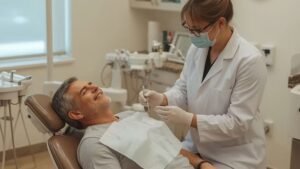
Think about how much your family has changed over the years. Your toddler may have once been nervous about sitting in the dental chair. A few years later, that same child might be getting their first permanent teeth.
Before you know it, they are teenagers managing busy schedules, and eventually, they become adults with dental needs of their own.
One thing stays important through every stage: taking care of their smiles.
However, dental care is not the same for a five-year-old and a forty-five-year-old.
Children need help developing healthy habits, teenagers may need guidance with braces and wisdom teeth, and adults often focus on preventing gum disease and repairing everyday wear.
That is why finding a trusted Glen Allen family dentist can make a difference.
Family dentistry helps patients receive appropriate care as their needs change, making it easier to maintain healthy smiles throughout life.
Let’s look at how family dental visits evolve from childhood to adulthood and what you can expect at each stage.
1. Childhood: Building Healthy Smiles From the Start
A child’s early dental experiences can shape how they feel about visiting the dentist for years to come. The focus during childhood is prevention, education, and monitoring how the teeth and jaws develop.
What Happens During Children’s Dental Visits?
Children’s dental appointments are designed around their age, comfort level, and individual needs. Your dentist may:
- Check baby teeth for cavities and signs of decay.
- Monitor the development of permanent teeth.
- Examine the gums and bite.
- Recommend fluoride treatments to help strengthen enamel.
- Apply dental sealants when appropriate to protect cavity-prone back teeth.
- Provide age-appropriate brushing and flossing guidance.
Your Glen Allen dentist may also recommend dental X-rays when they are clinically necessary to evaluate areas that cannot be seen during a visual examination.
How Can Parents Make Dental Visits Easier?
A little preparation can make a big difference. Talk positively about the appointment, explain what your child can expect in simple terms, and avoid using dental visits as a threat or punishment.
At home, help your child brush twice daily with fluoride toothpaste appropriate for their age, and introduce flossing when their teeth begin touching.
Children usually need an adult’s help or supervision with brushing until they develop the necessary coordination.
Parent tip: Try scheduling routine dental visits before your child develops a toothache. Preventive appointments help build familiarity and reduce the chance that their first memorable dental experience involves discomfort.
2. The Teenage Years: Changing Teeth and Growing Independence
Teenagers experience many changes, and their oral health is no exception. Permanent teeth are usually in place, but the mouth may still be developing. At the same time, busy school schedules, sports, braces, and changing routines can make consistent dental care more challenging.
Common Dental Concerns for Teenagers
A family dentist may monitor several concerns during the teenage years:
- Braces and clear aligners: Orthodontic treatment can make cleaning more challenging, so careful brushing and flossing are essential.
- Wisdom teeth: Your dentist can monitor their development and assess whether they may cause crowding, pain, or other problems.
- Sports injuries: Mouthguards can help protect teeth during contact sports and other activities with a risk of dental injury.
- Cavities: Frequent snacking, sugary drinks, and inconsistent brushing can increase the risk of tooth decay.
- Gum inflammation: Plaque buildup around braces or along the gumline can lead to irritated, swollen gums.
Helping Teenagers Take Responsibility for Their Oral Health
Teenagers are becoming more independent, which makes this a good time to build habits they can carry into adulthood.
Encourage them to brush twice a day, floss daily, drink water regularly, and limit frequent sugary snacks and drinks. If they wear braces or aligners, follow the cleaning instructions provided by their dental team.
Regular checkups also allow teenagers to ask questions privately and learn how lifestyle choices affect their teeth and gums.
A family dentist can provide practical guidance without making dental care feel like another lecture.
3. Young Adulthood: Protecting Your Smile Through Busy Years
College, starting a career, moving out, and managing a household can make dental appointments easy to postpone. Many young adults feel their teeth are healthy simply because they are not experiencing pain.
Unfortunately, cavities and early gum disease can develop without obvious symptoms.
Why Routine Dental Visits Still Matter
Young adulthood is an important time to maintain preventive care and address concerns before they progress.
Your dentist may focus on:
- Checking for cavities and early signs of gum disease.
- Assessing wisdom teeth and any symptoms around the back of the mouth.
- Monitoring existing fillings, crowns, and other dental restorations.
- Discussing teeth grinding, jaw discomfort, or enamel wear.
- Providing professional cleanings and personalized home-care advice.
Dental visits may also include a discussion about cosmetic goals. If you want a brighter smile or are considering clear aligners, your dentist can help you understand appropriate options.
What If You Have Been Putting Off Dental Appointments?
If it has been a while since your last checkup, you are not alone. Work, family responsibilities, finances, and dental anxiety can all make scheduling difficult.
The best next step is to book an appointment and let your dentist assess your current oral health. You do not need to feel embarrassed about how long it has been.
Depending on what they find, you may simply need a routine cleaning or a treatment plan to address existing concerns.
Remember: Waiting until a tooth hurts can allow a small problem to become more complex. Regular checkups help you stay ahead of potential issues.
4. Adulthood: Preventing Gum Disease and Managing Everyday Wear
As you move through adulthood, your dental needs may become more varied. Previous dental work may need monitoring, gum health becomes increasingly important, and everyday habits can affect the condition of your teeth.
Stress-related clenching, acidic drinks, grinding, and certain medications may also contribute to dental concerns.
What Does Adult Dental Care Usually Include?
Adult dental visits commonly focus on prevention, early diagnosis, and maintaining existing teeth and restorations.
Your dentist may examine:
- Gum health: Looking for inflammation, bleeding, gum recession, or signs of periodontal disease.
- Tooth decay: Checking for cavities around the gumline, between teeth, or near existing fillings.
- Dental restorations: Monitoring crowns, bridges, fillings, and other dental work.
- Tooth wear: Assessing damage associated with grinding, clenching, or acid erosion.
- Oral cancer: Performing an oral cancer screening when appropriate.
- Bite and jaw comfort: Evaluating concerns such as uneven tooth wear or jaw discomfort.
The right schedule for cleanings and exams depends on your oral health. While many patients benefit from visits every six months, people with gum disease or a higher risk of cavities may need more frequent care.
When Should Adults Consider Restorative or Cosmetic Dentistry?
Preventive care remains essential, but some adults need additional treatment to restore the function or appearance of their teeth.
Depending on your situation, options may include:
- Tooth-coloured fillings for cavities.
- Dental crowns to protect weakened or damaged teeth.
- Bridges or dentures to replace missing teeth.
- Dental implant restorations for appropriate candidates.
- Professional teeth whitening for certain types of discolouration.
- Dental bonding to improve the appearance of selected imperfections.
Your dentist can explain the benefits, limitations, and expected maintenance of each option so you can make an informed decision.
5. Older Adulthood: Keeping Your Smile Comfortable and Functional
Healthy teeth and gums remain important throughout life. However, older adults may face additional challenges, including gum recession, dry mouth, worn restorations, and missing teeth.
These concerns are not inevitable consequences of aging. Regular dental care can help identify and manage many of them.
Common Dental Concerns as You Age
- Dry mouth: Some medications and health conditions can reduce saliva production. Because saliva helps protect teeth, a dry mouth can increase the risk of cavities and discomfort.
- Gum recession: When gums recede, tooth roots may become exposed. These areas can be more sensitive and vulnerable to decay.
- Missing teeth: Tooth loss can affect chewing, speech, and confidence. Depending on individual needs, dentures, bridges, or implant-supported restorations may help restore function.
- Existing dental work: Crowns, fillings, dentures, and other restorations need periodic evaluation to ensure they continue to fit and function properly.
How Can Older Adults Maintain Good Oral Health?
Keep brushing twice daily with fluoride toothpaste and cleaning between teeth daily, adapting tools as needed for comfort and dexterity.
Tell your dentist about persistent dry mouth, difficulty chewing, loose dentures, or sensitivity. If arthritis or other physical limitations make brushing difficult, an electric toothbrush or other adapted cleaning aid may help.
If you wear dentures, clean them according to your dentist’s instructions and attend regular dental visits even if you no longer have natural teeth.
The goal is not just to keep teeth for as long as possible. It is to support comfortable eating, clear speech, and a healthy quality of life.
How Often Should Your Family Visit the Dentist?
There is no single appointment schedule that works for everyone. The right frequency depends on age, cavity risk, gum health, medical history, and previous dental concerns.
As a general guide:
| Life stage | Main dental priorities |
| Young children | Tooth development, cavity prevention, and healthy habits |
| School-age children | Preventive treatments, permanent teeth, and bite development |
| Teenagers | Braces, wisdom teeth, sports protection, and hygiene |
| Young adults | Preventive exams, gum health, and lifestyle-related concerns |
| Adults | Gum disease prevention, restorative care, and tooth wear |
| Older adults | Dry mouth, root cavities, tooth replacement, and denture care |
Many patients benefit from dental exams and cleanings about every six months. However, your dentist may recommend a different interval based on your needs.
Children should have their first dental visit by their first birthday or within six months of their first tooth erupting, whichever comes first.
If you notice tooth pain, facial swelling, a broken tooth, or persistent gum bleeding, contact Village Family Dentistry, your trusted Glen Allen family dentist, for advice rather than waiting for your next routine visit.
Why Choose a Glen Allen Family Dentist for Every Stage of Life?
Choosing a family dentist can make ongoing dental care more convenient and consistent.
Instead of searching for a new provider every time someone’s needs change, your family can establish an ongoing relationship with a dental team that understands your oral health history.
When evaluating a family dental practice, look for one that offers:
- Care for different ages: Dental services and guidance suited to children, teenagers, adults, and older patients.
- Preventive services: Exams, professional cleanings, digital X-rays when needed, fluoride, and sealants when appropriate.
- Restorative options: Treatment for cavities, damaged teeth, and missing teeth.
- Cosmetic services: Options such as whitening, bonding, and smile makeovers.
- Clear communication: Explanations of treatment recommendations, costs, and preventive steps.
- A comfortable environment: A welcoming approach that helps patients feel informed and at ease.
It is also worth asking about payment options and membership plans if you do not have dental insurance. Understanding the available choices can help you plan for routine care and recommended treatment.
FAQ: Family Dental Visits From Childhood to Adulthood
1. At What Age Should My Child First Visit a Family Dentist?
Your child should have their first dental visit by their first birthday or within six months of their first tooth appearing, whichever comes first. Early visits help identify potential concerns and give parents guidance on brushing, feeding habits, and cavity prevention.
2. Do Teenagers Need Dental Visits Every Six Months?
Many teenagers benefit from dental checkups about every six months. However, the recommended frequency depends on their cavity risk, gum health, orthodontic treatment, and other individual needs.
3. Why Do Adults Need Regular Dental Cleanings if Their Teeth Feel Fine?
Dental problems do not always cause pain in their early stages. Routine cleanings and exams help remove plaque and tartar buildup, assess gum health, and identify concerns that may not be obvious at home.
4. Does Dental Care Change After Age 60?
It can. Older adults may need additional attention to dry mouth, gum recession, root cavities, tooth replacement, and the condition of existing dental work. Regular checkups help your dentist tailor care to these changing needs.
5. Can One Family Dentist Treat Both Children and Adults?
Yes. Family dentists commonly provide preventive and restorative care for patients at different life stages. Ask your dental office which services are available for your family’s specific needs.
6. How Often Should I Visit a Glen Allen Family Dentist?
Many people benefit from visits every six months, but the ideal schedule depends on their oral health and risk factors. A Glen Allen family dentist can recommend an appropriate schedule after examining your teeth and gums.
7. What If Someone in My Family Is Nervous About Dental Visits?
Let the dental team know before the appointment. They can explain procedures, discuss comfort options, and help the patient understand what to expect. For children, positive language and regular preventive visits can help build confidence over time.
8. What If My Family Does Not Have Dental Insurance?
Ask your dental office whether it offers an in-house membership plan. Some practices provide annual-fee plans that include specified preventive services and discounts on eligible treatments. Review the plan’s fees, coverage, exclusions, and limitations before enrolling.
Conclusion: Healthy Smiles Grow With Your Family
Your family’s dental needs will change over time, but the value of preventive care never goes away.
From helping children protect their first teeth to supporting adults with gum health, restorative treatments, and tooth replacement, regular dental visits help keep oral health on track through every stage of life.
Keep up with recommended checkups, maintain good habits at home, and talk with your dentist whenever something about your teeth or gums changes.
At Village Family Dentistry, we understand that every smile has different needs. Our experienced dental team provides preventive, restorative, cosmetic, implant restoration, and other dental services for families in Glen Allen.
We want patients of all ages to feel informed, comfortable, and confident about their oral health. We also offer the Village Family In-Office Wellness Plan and Perio Plan, annual-fee membership options designed to support eligible preventive care and provide discounts on in-office qualifying treatments.
If you are looking for a welcoming Glen Allen family dentist, Village Family Dentistry is here to help you and your loved ones care for your smiles at every age.
Contact our office to schedule a visit and learn more about the dental care options available for your family.