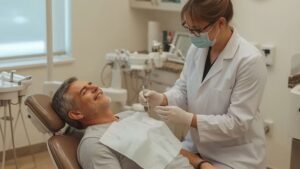
We hear it all the time at our practice: “I’ve been meaning to come in, but I just didn’t want to deal with the bill.”
It makes complete sense.
Dental care has a reputation for being expensive, and if money is tight, skipping a cleaning feels like a reasonable trade-off.
But here’s the thing most people don’t realize until it’s too late: avoiding the dentist doesn’t save money. It delays the bill and makes it bigger.
The patients who end up spending the most on dental work are almost never the ones who came in too often. They’re the ones who stayed away.
The real cost of waiting: A routine cavity that costs a few hundred dollars to fill can turn into a root canal and crown costing $2,000 or more if left untreated for a year or two. That’s not a scare tactic. That’s just how teeth work.
As a family Glen Allen dentist, we’ve seen this pattern play out hundreds of times.
And we genuinely wish more patients understood how much a consistent relationship with a dentist protects them, not just physically, but financially.
Preventive Care Is the Cheapest Dental Treatment There Is
There’s a reason dentists push twice-yearly cleanings so hard. It’s not about hitting a quota.
It’s because two visits a year are genuinely the most cost-effective dental strategy available to you.
Here’s what happens at a routine preventive visit that saves you money down the road:
- Professional cleaning removes tartar buildup that you simply cannot remove at home, no matter how diligent you are with brushing and flossing. Tartar left in place leads to gum disease, which is one of the leading causes of tooth loss in adults.
- X-rays and visual exams catch problems in their earliest stages, when treatment is simple and inexpensive. A small cavity found early is a 20-minute filling. The same cavity found a year later might be a root canal.
- Oral cancer screening is part of every comprehensive exam. Early detection dramatically improves outcomes and can be life-saving.
- Personalized guidance from your dentist means you’re not guessing about your home care routine. If you’re prone to cavities or gum sensitivity, we can tell you exactly what to change.
The point is: the barriers to preventive care are smaller than most people assume.
What A Long-Term Relationship With Your Dentist Actually Gives You
- Early pattern recognition
Problems that develop gradually, like gum recession, enamel wear, or bite changes, are easy to miss in a single visit but obvious over time. Catching a trend early means addressing it before it becomes a crisis.
- Honest, personalized treatment recommendations
A dentist who knows you isn’t going to recommend a treatment you don’t need. Trust goes both ways. When we suggest something, it’s because we’ve watched the situation develop and we know it’s time to act.
- Less anxiety, better outcomes
Dental anxiety is real, and it’s one of the biggest reasons people avoid care. Familiarity with your dental team genuinely reduces that anxiety over time. Patients who feel comfortable in the chair are more likely to come back, which means they stay healthier.
This is exactly why we’ve built Village Family Dentistry around a patient-first approach. We want to be the practice you actually look forward to visiting, or at least the one you don’t dread.
The Treatments That Cost the Most Are Almost Always Preventable
Let’s talk specifics. The dental procedures that carry the biggest price tags are rarely random bad luck.
Most of them trace back to a problem that was ignored or missed.
| Costly Treatment | What Usually Causes It | What Could Have Prevented It |
| Root canal + crown | Untreated cavity that reached the nerve | Early filling at a routine exam |
| Tooth extraction | Advanced decay or gum disease | Regular cleanings + monitoring |
| Dental implant | Tooth loss from neglected infection | Treating the infection before extraction |
| Gum surgery | Severe periodontitis | Consistent cleanings and early gum care |
| Full-mouth restoration | Years of neglect across multiple teeth | Ongoing preventive care |
None of these outcomes are inevitable. They’re the result of problems that had a window for inexpensive intervention and didn’t get it.
The math is straightforward. Two cleanings a year at a typical co-pay adds up to far less than a single root canal. Preventive care isn’t an expense. It’s a hedge against much larger expenses.
If cost has been your reason for avoiding the dentist, we understand. But the honest answer is that skipping care almost always costs more in the long run, not less.
What to Expect When You Come to Village Family Dentistry
If it’s been a while since your last visit, we want you to know: there’s no judgment here. We see patients who haven’t been to a dentist in two years, five years, or longer.
Our job isn’t to make you feel bad about the gap. It’s to help you get back on track.
Here’s what a new patient visit looks like at our Glen Allen dental office:
- A thorough exam and X-rays so we can see exactly where things stand today.
- A cleaning to remove buildup and get your gums healthy.
- An honest conversation about anything we find, including what needs attention now versus what we can monitor over time.
- A clear treatment plan with transparent pricing before any work is done. No surprises.
We work with most major insurance plans and offer flexible payment options for patients who need them.
Our goal is to make getting care as easy as possible, because we know that the hardest part for most people is just making the appointment.
Protect Your Smile With Village Family Dentistry
The best way to save on dental care is to prevent problems before they start. At Village Family Dentistry, our team is committed to helping patients maintain healthy smiles through preventive care, patient education, and personalized treatment plans.
We believe that regular check-ups and early intervention are the foundation of long-term oral health.
As a trusted Glen Allen dentist, we provide comprehensive dental care for patients of all ages in a welcoming and comfortable environment.
If you’ve been putting off dental care in Glen Allen, this is the nudge. The longer a problem sits, the more it costs. A visit today is almost always cheaper than a visit six months from now.
Schedule your appointment with Village Family Dentistry and let’s get you back to a place where your dental health isn’t something you have to worry about.
FAQs
Can regular dental check-ups really help me save money?
Yes. Routine dental exams allow your dentist to detect cavities, gum disease, worn fillings, and other problems before they become serious. Treating a small cavity is typically far less expensive than needing a root canal, crown, or tooth extraction later.
What dental problems become expensive if left untreated?
Common issues include untreated cavities, gum disease, cracked teeth, infections, and missing teeth. When ignored, these conditions can require complex treatments such as root canal therapy, dental crowns, periodontal treatment, dental implants, or tooth replacement.
Can preventive dentistry reduce my chances of needing a root canal?
Yes. Regular exams, dental cleanings, fluoride treatments, and early cavity treatment help prevent decay from reaching the tooth’s pulp, reducing the likelihood of needing root canal therapy.
Does dental insurance cover preventive care?
Many dental insurance plans cover preventive services, including routine exams, cleanings, and X-rays, either fully or with minimal out-of-pocket costs. Coverage varies by provider, so it’s best to review your specific plan.
What are the signs that I should see a dentist immediately?
You should schedule an appointment promptly if you experience persistent tooth pain, swollen or bleeding gums, sensitivity that doesn’t improve, a chipped or broken tooth, loose teeth, or swelling in your mouth or face. Early treatment can prevent more extensive and costly procedures.
How does a trusted Glen Allen dentist create a long-term treatment plan?
A trusted Glen Allen dentist evaluates your oral health, identifies potential risks, and recommends preventive care tailored to your needs. This proactive approach helps maintain healthy teeth and gums while reducing the likelihood of expensive restorative treatments in the future.
Is it better to treat a small cavity right away?
Absolutely. A small cavity can usually be repaired with a simple filling. Delaying treatment allows the decay to spread deeper into the tooth, potentially requiring a crown, root canal, or even extraction, all of which are significantly more costly.