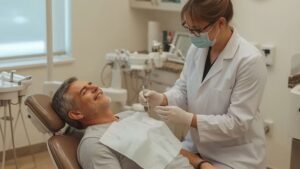
Staying on top of your dental health isn’t always as simple as it sounds.
You’ve probably heard the advice to visit the dentist every six months, but is that really the right timeline for everyone? The truth is, your ideal schedule can depend on your lifestyle, oral health history, and even daily habits.
A trusted Glen Allen family dentist doesn’t just clean your teeth; they help you prevent problems before they start and keep your smile in great shape long-term.
Whether you’re someone who never misses an appointment or tends to put it off, understanding how often you should go can make a real difference.
Let’s break it down in a way that actually makes sense for you.
Standard Recommendations for Dental Visits
- The Six-Month Rule
The widely accepted guideline for dental visits is every six months, or twice a year. This schedule allows dentists to monitor oral health, identify emerging issues, and provide preventive treatments such as professional cleanings and fluoride applications.
Professional cleanings remove plaque and tartar that cannot be eliminated by brushing and flossing alone. These regular visits also enable early detection of cavities, gum disease, and oral lesions, reducing the likelihood of invasive procedures later.
- Personalized Scheduling
While six months is a general recommendation, visit frequency may vary depending on individual factors:
- Oral health history: Patients with a history of cavities or gum disease may require more frequent check-ups.
- Age: Children and older adults often need tailored schedules to accommodate growth, developmental changes, or age-related dental concerns.
- Medical conditions: Diabetes, heart disease, and immune system disorders can increase susceptibility to oral health problems, necessitating closer monitoring.
- Lifestyle factors: Tobacco use, high-sugar diets, and poor oral hygiene can increase the need for more frequent visits.
A Glen Allen dentistry team can assess these factors and create a customized plan to ensure optimal care.
What Happens During a Routine Dental Visit?
Routine dental visits involve several steps to maintain and monitor oral health:
1. Comprehensive Examination
Dentists perform a thorough examination of teeth, gums, tongue, and surrounding tissues. This includes checking for:
- Cavities or tooth decay
- Signs of gum disease
- Oral cancer or lesions
- Cracks, chips, or wear in teeth
- Bite alignment and jaw health
This detailed evaluation helps detect issues early, often before symptoms appear.
2. Professional Cleaning
Even with meticulous home care, plaque and tartar accumulate in hard-to-reach areas. A professional cleaning removes these deposits and polishes teeth, reducing the risk of decay and gum disease.
Cleanings also contribute to fresh breath and a polished smile, enhancing both oral health and confidence.
3. Preventive Treatments
Depending on individual needs, preventive treatments may include:
- Fluoride applications to strengthen enamel
- Dental sealants to protect molars from decay, especially in children
- Recommendations for at-home care, including brushing techniques and flossing tips
These measures are designed to reduce future dental problems and support overall oral wellness.
4. Personalized Advice
Dentists provide guidance based on your oral health status. This may include dietary recommendations, lifestyle modifications, or advice on managing sensitivity or cosmetic concerns. Personalized advice ensures that each patient receives care tailored to their unique situation.
Factors That Influence How Often You Should Visit
Risk of Gum Disease
Patients prone to gingivitis or periodontitis may need more frequent visits, sometimes every three to four months. Early intervention prevents progression to advanced gum disease, which can cause tooth loss and systemic health issues.
High Cavity Risk
Individuals with a history of frequent cavities may benefit from quarterly check-ups. Dentists can monitor for early signs of decay and apply fluoride varnishes to protect vulnerable teeth.
Orthodontic or Cosmetic Treatments
Patients undergoing braces, aligners, or cosmetic procedures often require closer supervision to monitor treatment progress, address complications, and maintain oral hygiene.
Children and Adolescents
Developing teeth and growing jaws require regular monitoring. Children may need more frequent visits to track tooth eruption, alignment, and cavity prevention.
Signs You Should See Your Dentist Sooner
Even if it hasn’t been six months since your last visit, certain symptoms require prompt attention:
- Tooth pain or sensitivity
- Swollen, bleeding, or receding gums
- Loose teeth or changes in bite
- Persistent bad breath or bad taste
- Sores, lumps, or white patches in the mouth
Timely intervention prevents minor issues from escalating into more serious conditions.
Benefits of Regular Dental Visits
- Early detection of problems: Identifying cavities, gum disease, or oral cancers early reduces treatment complexity.
- Prevention: Professional cleanings and sealants help avoid decay and gum issues.
- Education: Dentists provide guidance on proper brushing, flossing, and dietary choices.
- Cost savings: Preventive care is often less expensive than extensive restorative procedures.
- Overall health: Maintaining oral health supports cardiovascular, digestive, and systemic health.
Conclusion
Regular visits to a Glen Allen family dentist are vital for long-term oral health, early detection of problems, and preventive care.
While the standard recommendation is every six months, individual factors such as age, medical conditions, oral hygiene, and risk for cavities or gum disease may necessitate more frequent appointments.
At Village Family Dentistry, we are committed to providing comprehensive, personalized, and high-quality care for every patient.
From routine exams and cleanings to specialized treatments, we ensure your oral health is monitored, protected, and enhanced.
Trust our expertise to keep your smile healthy, strong, and confident throughout life.
FAQs
Is it safe to visit the dentist every six months?
Yes, every six-month visits are standard and safe for most patients. Some may need more frequent visits based on risk factors.
Can adults with perfect teeth skip regular dental visits?
Even healthy adults benefit from regular check-ups to detect early issues, maintain oral hygiene, and prevent problems before they develop.
Are children’s dental visits different from adults’?
Children require monitoring for tooth development, alignment, and cavity prevention, making regular visits essential.
How can I reduce the need for emergency dental visits?
Maintain good daily oral hygiene, follow the recommendations of your Glen Allen family dentist, and attend routine check-ups.
What should I bring to my appointment?
Bring insurance information, a list of medications, previous dental records if available, and any questions or concerns about your oral health.